A termite inspection sounds simple until it's your foundation on the line. Most Westchester homeowners never see one happen. They just get a report afterward, full of terms nobody explained.
This guide walks through what a professional termite inspection in Westchester actually involves. It covers everything from the first foundation walk to the final report.
A professional termite inspection in Westchester checks the foundation, crawl space, basement, and attic. Inspectors look for mud tubes, damaged wood, and swarmer activity. Most visits take 45 to 60 minutes.
A standalone inspection typically costs $100 to $150. Many providers waive that fee when it's tied to a treatment estimate or home sale.
- Eastern subterranean termites are established throughout Westchester County, not just in older neighborhoods.
- A standalone inspection usually runs $100 to $150 and takes under an hour.
- Most New York home sales require a WDI report before closing.
- Annual inspections are standard. Spring is the highest-risk season for new activity.
Why Westchester Homes Need Regular Termite Inspections
Eastern subterranean termites are established across Westchester County. They live in underground colonies and travel through soil to reach wood. That includes framing, sills, and subfloors.
A colony can work inside a wall for years before anyone notices. Termites eat wood from the inside out, leaving the surface layer looking mostly fine.
Homes on slab foundations carry extra risk. Any crack or expansion joint gives termites a direct path from soil to wood. That wood framing sits directly above the crack.
Older Westchester housing stock adds another factor. Many homes here were built decades before current termite barrier standards. Gaps around plumbing and utility lines are common entry points.
Regular inspection catches activity early, before repair costs climb into the thousands. Waiting until you see visible damage usually means the colony has been active for years.
Westchester's mix of wooded lots and older housing raises the stakes. Homes near reservoirs, parks, and dense tree cover see more termite pressure. Newer developments on open lots tend to see less.
Homeowner's insurance typically doesn't cover termite damage. Most policies treat it as a maintenance issue, not a covered peril. That makes early detection the only real financial protection.
Poor crawl space ventilation makes conditions worse. Damp, unventilated crawl spaces attract termites and let colonies establish without being seen.
Scarsdale, Bronxville, and White Plains homeowners see similar risk levels. Termite pressure follows tree cover and soil moisture more than town lines.
What a Professional Inspector Actually Checks
A licensed inspector works through the property systematically, inside and out. The full visit usually takes 45 minutes to an hour for an average single-family home.
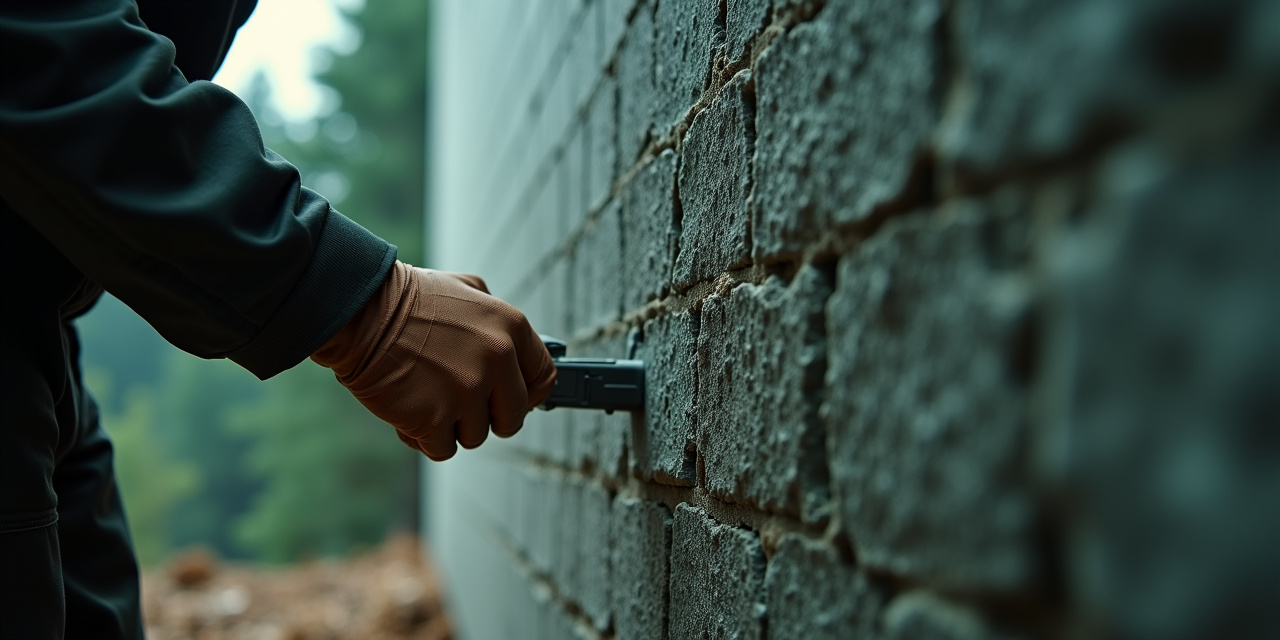
Outside, the inspector walks the entire foundation perimeter looking for mud tubes. These pencil-width tunnels run up foundation walls, piers, and support posts.
Inside, the inspector checks basements, crawl spaces, and attached garages. They probe exposed wood framing with a screwdriver or moisture meter. They're feeling for hollow or spongy spots.
Discarded wings near windowsills are another clue. A termite swarmer sheds its wings shortly after landing. A small pile of matching wings near a window means a colony swarmed close by.
An alate found indoors is worth flagging even if you never see a full swarm. One or two winged termites near a light fixture can mean a colony nearby. That doesn't always mean it's inside your walls.
Wood piles, mulch beds, and dead stumps near the foundation get checked too. These conditions attract termites long before they ever reach the structure itself.
Attics and roof lines get checked too, though termites reach them less often than basements. Any wood-to-soil contact outside, like a porch post or deck ledger board, gets close attention.
Vinyl and wood siding that extends too close to the ground get extra scrutiny. Siding hides the foundation line, which is exactly where termites first show themselves.
A good inspector documents findings with photos, not just checkboxes on a form. That documentation matters later for insurance, warranty, or resale questions.
- Inspection time: 45 to 60 minutes for a typical single-family home
- Standalone cost: $100 to $150 in most of Westchester County
- Peak swarm season: March through May
- WDI report validity: Usually 30 to 90 days for a real estate closing
Termite Inspection · Scarsdale & Westchester
Not sure if your home has active termite activity? Don't wait for visible damage.
Pristine Pest connects Westchester homeowners with licensed providers who inspect the full structure. They check more than the parts you can see. Call to schedule an inspection.
Call (877) 938-6799The WDI Report and Real Estate Transactions
Most Westchester home sales require a WDI report before closing. Lenders and attorneys use it to confirm the property has no active infestation.
The report follows New York's standard NPMA-33 form. It documents visible evidence of wood-destroying insects, whether that activity is current or old.
A WDI report is not a guarantee. It reflects what the inspector could see on the day of the visit. It's not a warranty against future activity.
Buyers should request the report early in the process. If it flags active termites, that gives time to negotiate treatment credits. You can also negotiate repairs before closing.
Sellers benefit from getting ahead of the issue too. An inspection scheduled before listing avoids last-minute surprises that can delay or kill a deal.
The WDI report itself is often bundled into the inspection fee, not billed separately. Multi-family properties may need a broader inspection covering shared walls and common areas.
Buyers usually pay for the WDI report, though this varies by contract. Some sellers order one proactively to speed up negotiations.
How Often You Should Schedule an Inspection
Most pest professionals recommend an annual termite inspection for Westchester homes. That holds even without any visible signs of activity.
Homes with a known history of termites need checks more often. The same goes for homes near wooded lots, often every six months.
Newly built homes still need yearly checks, even with a builder's termite barrier in place. Barriers degrade over time and gaps can open as a house settles.
Condo and co-op owners should check their building's inspection schedule too. Shared walls mean one unit's termite problem can spread to neighboring units.
Spring deserves extra attention. That's when swarming season peaks. Winged reproductives leave established colonies to start new ones nearby.
Our guide on planning ahead for next spring's swarm season covers what to watch for.
Homeowners who want a hands-on approach between visits can use our termite inspection checklist. It's a quick self-check around the foundation. It's a good complement to this guide, not a replacement for a licensed inspection.
What Happens if Termites Are Found
Finding termites during an inspection is not a reason to panic. It's a reason to act.
The inspector notes where activity was found and estimates how far it has spread. That assessment shapes the treatment plan going forward.
Active infestations near the foundation usually call for a liquid termiticide barrier. Some cases use a bait station system installed around the perimeter instead.
Some providers use in-ground bait systems, similar to Sentricon, instead of a full liquid barrier. Bait systems work slower but avoid trenching around the entire foundation.
Treatment cost depends on colony size, foundation type, and the method chosen. Get a written estimate before agreeing to any treatment plan.
Structural damage gets assessed separately from the termite treatment itself. A contractor, not the pest control provider, typically handles wood repair.
Ask for photos of any damage found. They help document the extent of the problem for insurance claims or real estate negotiations.
Scheduling treatment usually takes a week or two after the inspection. Severe cases may get prioritized faster, especially near a sale closing date.
Follow-up inspections after treatment confirm the colony is actually gone. Most providers include at least one recheck within the first year.
Choosing a Licensed Inspector
New York requires termite inspectors to hold a pesticide business license. That license comes through the Department of Environmental Conservation.
Ask any provider for their license number before scheduling. A legitimate company will hand it over without hesitation.
Experience with your specific building type matters too. A historic Scarsdale colonial and a newer slab-built home present very different risk points.
Get the inspection report in writing, not just a verbal summary. You'll want that documentation for real estate transactions or warranty claims later.
Compare more than price when choosing a provider. A cheap inspection that misses activity in a crawl space costs more. That cost shows up down the road.
Watch for high-pressure sales tactics during the visit itself. A legitimate inspector explains findings clearly and doesn't push same-day contracts.
Check reviews and ask for references from recent Westchester customers. A provider with years of local experience knows the area's specific risk points.
A thorough termite inspection costs far less than the repair bill it can prevent. Westchester's termite pressure isn't going away. Treat the inspection as routine maintenance, not a last-minute reaction.
Frequently Asked Questions
How much does a termite inspection cost in Westchester?
A standalone termite inspection in Westchester typically runs $100 to $150. Many providers waive that fee when the visit is tied to a treatment estimate. The same applies to real estate transactions.
What happens during a termite inspection?
An inspector checks the foundation perimeter, crawl space, basement, and attic. They look for mud tubes, damaged wood, and discarded swarmer wings. The full visit usually takes 45 minutes to an hour.
What is a WDI report and do I need one to sell my house?
A WDI report is a wood-destroying insect inspection document, often called the NPMA-33 form. Most lenders and attorneys in New York require one before a home sale closes.
How often should I schedule a termite inspection?
Most pest professionals recommend an annual inspection for Westchester homes. Properties with a history of termites often benefit from checks every six months. The same goes for homes near wooded lots.
What happens if the inspector finds termites?
The inspector documents where activity was found and how far it has spread. They recommend a treatment approach, usually a liquid barrier or bait station system. Structural repair is handled separately by a contractor.