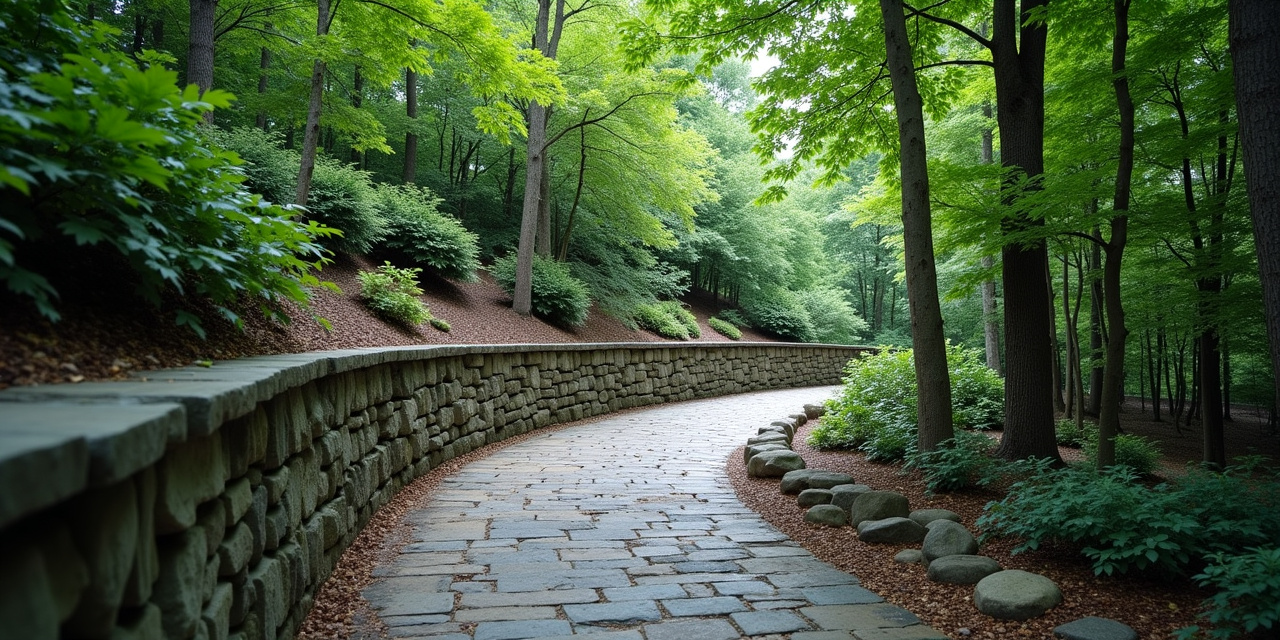
Bronxville's stone walls and wooded lot lines create ideal tick habitat. Homeowners here deal with real tick pressure most of the year. This guide covers professional tick control and when to book it.
Bronxville sits between the Bronx River corridor and dense residential blocks. That mix of woods, stone walls, and small lots concentrates ticks near homes.
This guide walks through terrain, species, treatment, timing, and how to pick a provider. Read it before your next call to a pest control company.
Professional tick control combines an inspection with targeted treatment along stone walls and wooded edges. Most Bronxville properties need two or three visits each year. DIY habitat work helps, but heavy stone wall coverage often needs a professional.
Medical disclaimer: This is general education, not medical advice.
Ticks, mosquitoes, and rodents can carry disease.
If you suspect exposure or symptoms, consult a qualified healthcare provider.
- Westchester County ranks among the highest Lyme disease counties in New York.
- Deer ticks are the primary tick species active in Bronxville yards.
- Nymph season runs May through June, the highest-risk window each year.
- Adult tick activity resurges each fall, typically September through November.
- Stone walls and wooded edges hold the highest tick density on most lots.
Why Bronxville's Terrain Drives Tick Pressure
Bronxville's charm comes from its stone walls and wooded lot lines. That same terrain gives ticks exactly what they need to survive.
Ticks need three things between meals: shade, moisture, and a host. Old stone walls trap humidity in their gaps and moss-covered tops. Wooded edges supply the host traffic ticks depend on to survive.
Deer and small mammals move along these edges throughout the year. They carry ticks from the woods directly into backyards and lawns.
Bronxville lots tend to run small, with homes close to tree lines. That shrinks the buffer between a wooded edge and a family's yard. The village's proximity to the Bronx River keeps deer traffic steady.
Ornamental groundcover like ivy and pachysandra holds moisture just as well. These plantings are common in Bronxville foundation beds and front walkways.
Many of Bronxville's stone walls date back over a century. Older mortar-free construction leaves even more gaps for ticks to shelter in.
Wooded pockets near local parks and the river corridor add further tick pressure. Ticks don't need much woodland. A narrow tree line is often enough.
Homes built close to a wooded rear lot line see the most pressure. Front yards facing open streets generally see less.
Properties backing onto reservoir land or river greenways see the heaviest pressure. Even a small strip of woods can sustain a real tick population.
Tick Species Active in This Area
The black-legged tick, also known as the deer tick, is the main species here. It's the primary vector for Lyme disease in Westchester County.
Adults are active in fall and again during any winter thaw. Nymphal ticks are far smaller and much easier to miss. Nymphs cause most Lyme disease transmissions because bites go unnoticed.
The lone star tick has also been confirmed in Westchester County. It's linked to alpha-gal syndrome, a red meat allergy trigger.
The American dog tick is also common in Westchester lawns and fields. It's larger than a deer tick and doesn't transmit Lyme disease.
A few less common tick species turn up occasionally in the area. They rarely bite people and aren't a major health concern here.
Checking yourself and pets after time outdoors catches most ticks early. A tick usually needs to attach for 24 to 36 hours to transmit disease. Removing it quickly lowers the risk significantly.
Correct identification matters because treatment timing depends on the species present. A provider trained in local tick biology times treatment around each stage.
Tick Control · Bronxville, NY
Stop guessing which ticks are active on your property.
Pristine Pest connects Bronxville homeowners with licensed providers who inspect first, then treat.
Call (877) 938-6799What Professional Tick Control Actually Involves
Professional tick control starts with a full property inspection, not a spray. A technician walks the stone walls, wooded edges, and shaded beds first.
That inspection maps where ticks are actually active on your property. Treatment then targets those exact zones instead of the whole yard.
Most programs use a residual treatment applied to vegetation and edges. The product stays active for weeks, killing ticks that cross the treated zone.
Monitoring follows the first treatment to confirm it's working as expected. Providers typically return for a follow-up visit later in the season.
Some programs also include tick tubes near stone walls and wood piles. These target the mice that carry immature ticks onto a property.
A typical visit starts with the technician walking the entire property. They flag stone walls, brush, and shaded beds before treating anything.
Products used are EPA-registered and applied by a certified technician. Application typically takes under an hour for an average Bronxville lot.
Some properties need adjustments after the first treatment based on results. A good provider tracks what's working and adjusts the plan each visit.
DIY vs. Professional Tick Control
DIY prevention has a real place in a Bronxville tick control plan. Mowing, clearing leaf litter, and moving woodpiles all reduce tick habitat.
Store-bought yard sprays can help, but coverage is usually inconsistent. Most homeowners miss the exact spots where ticks concentrate, like harborage zones along stone walls.
Professional treatment covers the whole property in a single visit. It also reaches the wooded edges most DIY sprayers skip entirely.
The strongest approach combines both. DIY habitat work between visits keeps tick populations from rebuilding fast. Professional treatment handles the wooded edges and stone walls a homeowner can't cover alone.
Personal protection matters just as much as yard treatment. Use an EPA-registered repellent and tuck pants into socks in high-risk areas. Treating clothing with permethrin adds another layer of protection.
Shower within two hours of coming in from the yard. This washes off ticks that haven't attached yet.
Combine personal protection with pet-safe yard products for extra coverage. Read labels carefully, since not every product is safe around pets.
For the tactical walkthrough version of this approach, see our property walkthrough checklist.
- Bronxville's stone walls and wooded edges create high tick pressure most of the year.
- Deer ticks are the primary concern, with nymphs responsible for most Lyme disease cases.
- Professional treatment starts with inspection, then targets stone walls and wooded zones directly.
- DIY habitat work and professional treatment work best combined, not as a substitute for each other.
Seasonal Timing for Bronxville Treatment
Tick activity in Bronxville follows a predictable seasonal pattern each year. Knowing that pattern helps time treatment for the biggest impact.
Nymph season runs May through June and carries the highest bite risk. Nymphs are tiny, so most bites during this window go unnoticed.
Adult ticks become active again each fall, typically September through November. A second treatment before this resurgence covers the season's second risk window.
Booking early in spring gives the widest possible treatment window. Waiting until nymph season peaks narrows how much protection one visit provides.
Most Bronxville properties do well with two treatments a year. Heavier tick pressure near woods or stone walls may need a third visit.
Ticks don't die off in winter the way many homeowners assume. Adult ticks stay active on any day above freezing. A January thaw can still bring a tick bite.
A late frost can push nymph season slightly later some years. Watching local tick activity reports helps fine-tune the right treatment window.
How to Choose a Provider
Not every pest control company treats ticks the same way. Ask a few direct questions before booking anyone for treatment.
Ask whether the company inspects the property before treating anything. A provider who skips inspection is guessing at where ticks live.
Ask what products they use and how long treatment stays active. An IPM approach that combines habitat advice with treatment tends to work best.
Ask about follow-up visits and what happens if ticks return. A provider offering a guarantee shows confidence in their own work.
Licensing and insurance are non-negotiable for any pest control provider. Confirm both before any technician sets foot on your property.
Read recent reviews specific to tick treatment, not just general pest control. Ask for a written quote before any technician steps onto the property.
A satisfaction guarantee is a good sign a provider stands behind results. If ticks return between visits, a reputable provider will re-treat at no cost.
Local experience matters more than a national brand name alone. A provider familiar with Bronxville's terrain treats it more effectively.
Pristine Pest connects Bronxville homeowners with licensed, insured providers. Our tick and mosquito control program serves the entire Bronxville service area.
Frequently Asked Questions
How much does tick control cost in Bronxville?
Cost depends on lot size, terrain, and how many visits are needed. Properties with long stone walls or wooded edges typically need more coverage. A licensed provider can give an exact quote after inspecting your yard.
How soon will I see fewer ticks after treatment?
Most residual treatments start reducing tick activity within a few days. Full results build over the first two to three weeks.
Is professional tick treatment safe for pets and kids?
Licensed providers use products labeled safe for residential use. Most treatments require a short wait time before pets and kids return outside. Always ask your provider for the specific reentry time.
How many tick treatments does a Bronxville property need each season?
Most properties do well with two treatments a year. One in spring before nymph season, one in early fall. Heavier terrain like long stone walls may need a third visit.
Can I do tick prevention myself instead of hiring a professional?
DIY habitat work helps and is worth doing regardless. But wooded edges and long stone walls are hard to treat by hand. Combining both approaches gives the strongest protection.
Does Pristine Pest perform the tick treatment itself?
No, Pristine Pest is a lead generation service, not a pest control company. We connect Bronxville homeowners with licensed providers who perform inspections and treatment. Read our full disclaimer for details.